


This article is presented in partnership with Future Form.
For Nabil Hafza, the journey behind Future Form did not begin with a fully defined vision. It began with interest, ambition, and a willingness to learn.
At 19, entering an industry he was passionate about, the goal was simple: to be part of it. The idea of building a national, reputable business came later. Like many entrepreneurial journeys, clarity followed experience.
Over time, as projects grew and teams expanded, so did confidence.
“After years of growth, building teams, and working on more reputable projects, you start believing in yourself,” he explains. “You realise you can do this.”
That progression from uncertainty to clarity is something many leaders recognise. It is not a single moment, but a gradual shift shaped by experience, responsibility, and trust in the people around you.
Share this
Mecca Property Group: Building Wealth Through Strategy, Discipline and Long-Term Thinking

Mecca Property Group: Building Wealth Through Strategy, Discipline and Long-Term Thinking
May 7, 2026, 4:44:15 PM
4
min read
Celebrating 25 Years of Salaam: A Journey Built on Trust, Growth, and Community Impact
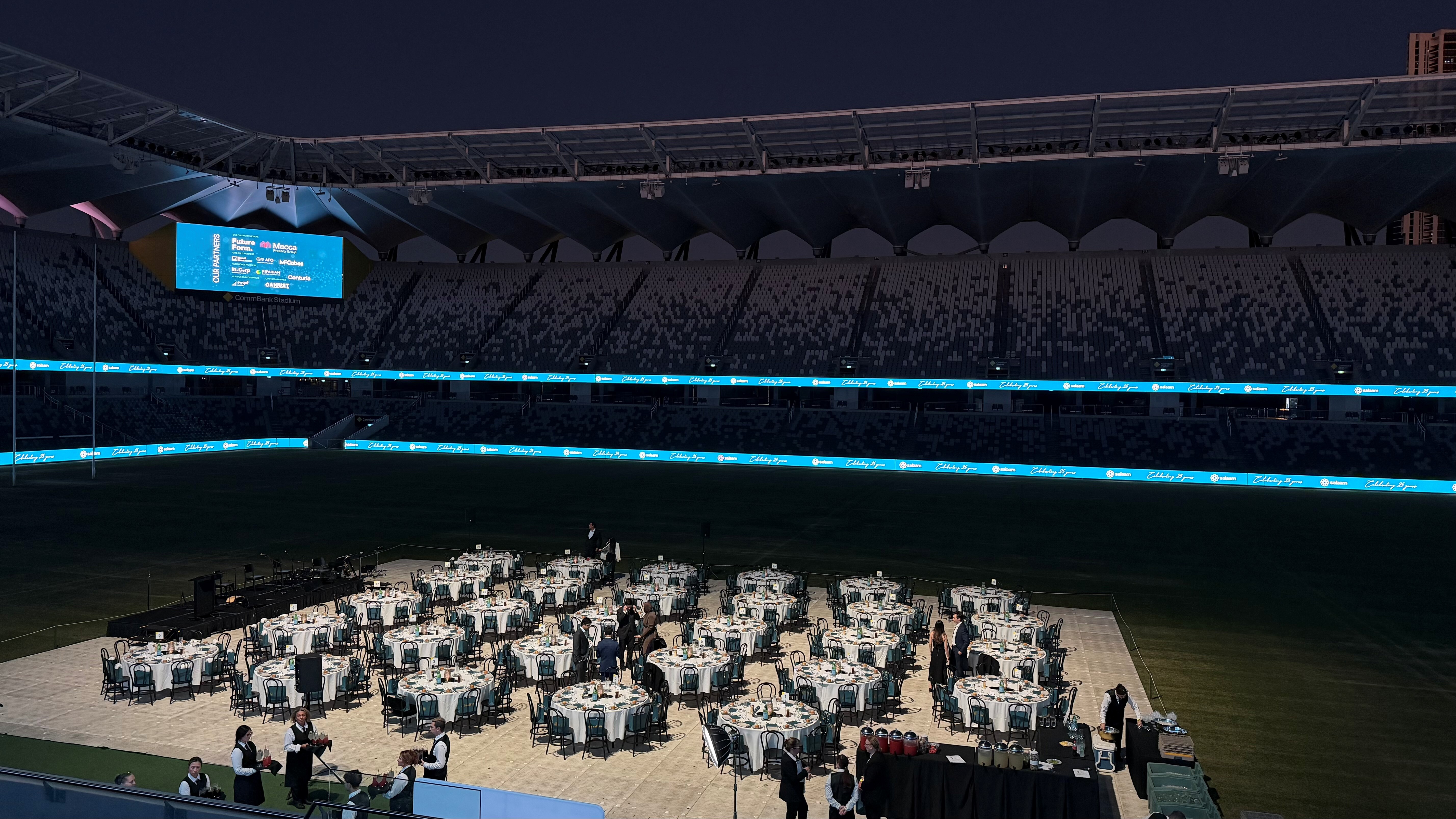
Celebrating 25 Years of Salaam: A Journey Built on Trust, Growth, and Community Impact
May 7, 2026, 4:22:24 PM
2
min read
More Than a Game: Inside the Salaam Usman Khawaja Foundation Cup
.jpg)
More Than a Game: Inside the Salaam Usman Khawaja Foundation Cup
Mar 26, 2026, 4:42:28 PM
2
min read
No Comments Yet
Let us know what you think