
More Than a Curriculum: The IB Journey at Australian International Academy NSW

Salaam
5 min read
Sep 3, 2026, 3:50:17 PM

 This blog is provided by Australian International Academy NSW (AIA).  


“To empower learners to embody Islamic values through Faith, Determination and Lifelong Learning.”


For students at Australian International Academy NSW, an international education is not simply about where they might study one day. It is about learning how to think, how to question, how to adapt, and how to find their place in a changing world.


main edit v3.00_00_54_20.Still026


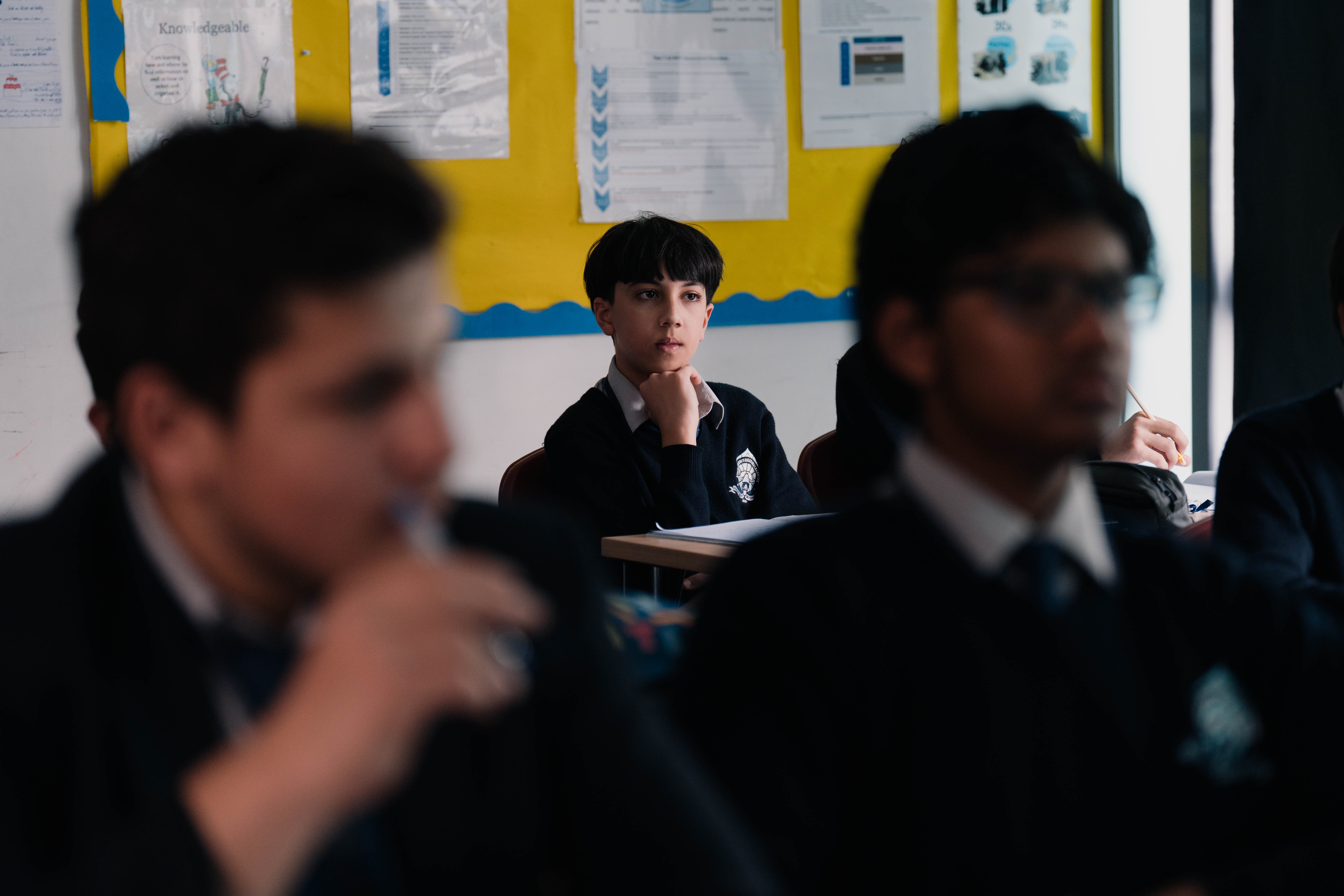
When Karim first considered the International Baccalaureate (IB) Diploma Programme, he was looking for a challenge.

Having joined Australian International Academy NSW (AIA) in Year 10 after studying under a different Australian curriculum, the now-Year 12 student saw the IBDP as an opportunity to push himself beyond what he already knew.


“I thought of it as a good challenge that I could do,” Karim says. “I had something to prove to myself.”


Two years later, as he approaches the end of the Diploma Programme, his definition of the IBDP has changed.

He describes it as a “treasure box”. Something that has given him more than a collection of subjects and assessments. Inside that “treasure box”, are skills in time management, stress management, memorisation, critical thinking and resilience.


MUS02570


For a student hoping to pursue medicine, those skills may prove just as valuable as the academic results.


“I feel like those skills are basic foundations of medicine,” he says.


And that is ultimately what AIA believes an international education should be about.


MUS04823


Education That Goes Beyond the Classroom

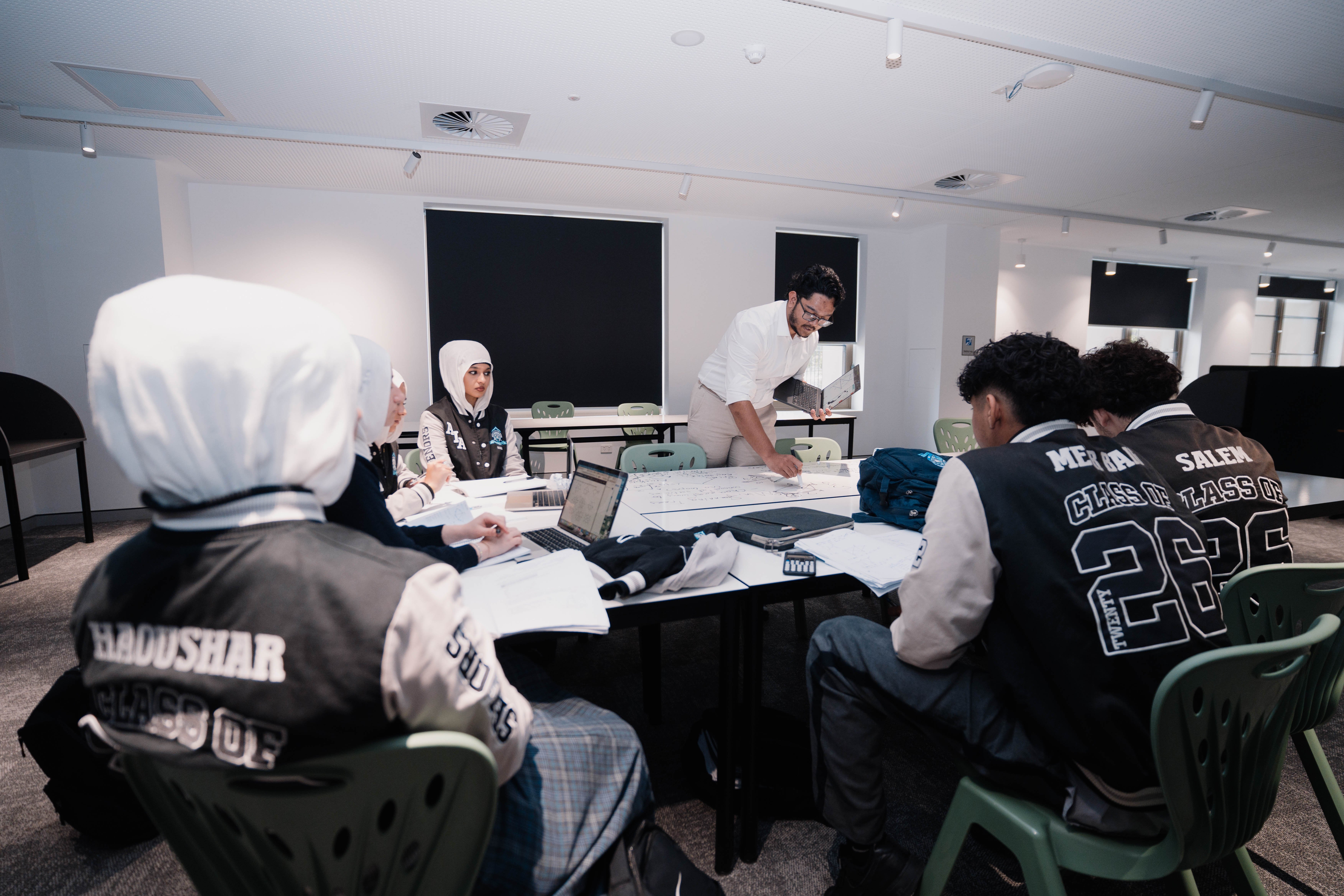
Across AIA's Kellyville and Strathfield schools, the IBDP is being positioned as more than an academic programme. It is part of a broader educational philosophy centred on developing students who are independent, curious and prepared to engage with the world around them.

For AIA Kellyville Deputy Principal and IBDP Coordinator Zamil Mohammed, that philosophy is closely connected to the school's own values.


“The IBDP program is something that we believe can instill those values and objectives that our school is also aiming to achieve,” he says.


The IBDP's emphasis on inquiry, reflection, communication and service aligns with AIA's commitment to developing students who are not only academically capable, but also grounded in values and conscious of their responsibilities to others.

It is also why the programme is deliberately broader than simply preparing students for an examination.


“Academics are important,” Zamil explains, “but there is also this other component which is the real world. We don't want the students to be in a bubble.”


MUS01835 (2)


Learning to Ask Better Questions

That idea of looking beyond the classroom sits at the centre of the IBDP experience.

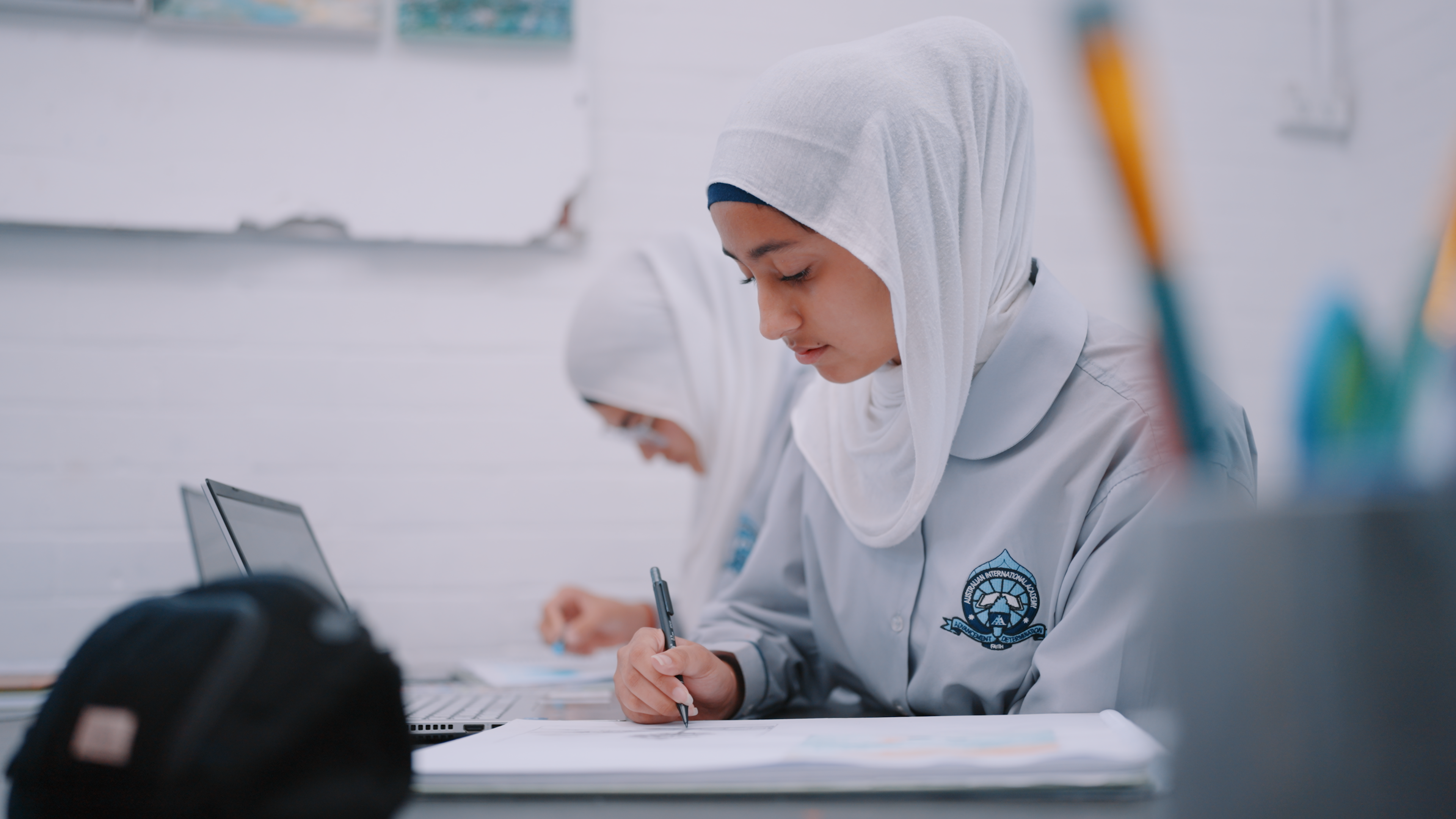
AIA Strathfield Deputy Principal and IBDP Coordinator Ossama Harris describes one of the biggest differences as the emphasis on students asking questions rather than simply being given answers.

Through the IBPD's inquiry-based approach, students are encouraged to investigate topics, challenge assumptions and explore areas that genuinely interest them.


“The more the students start to question their learning, they question everything they are learning, not just within the school environment, but outside the school environment,” Ossama says.


That can lead to some unexpected places.

Ossama recalls students using IBDP research projects to investigate issues ranging from technology and social phobia to the impact of technology on major social and political events. For some students, what begins as a school assessment develops into an interest that continues into university, research and professional life.

The assignment finishes.

The learning doesn't.


MUS02521


From Quiet Student to Confident Contributor

Perhaps the most powerful evidence of that development can be seen in the students themselves.

Zamil remembers Karim when he first began his IBDP journey.


“He was one of the quietest ones in the class,” Zamil recalls.


There were even conversations about whether Karim would be comfortable with one of the more demanding elements of the programme: presenting and communicating his ideas in front of others.

Today, that same student is supporting other students at the school.

For Zamil, the transformation is a reminder that the IBDP develops qualities that cannot always be measured by a mark on a report.

Confidence. Communication. Resilience. Independence.

These are the skills that students carry with them long after they leave the classroom.


main edit v3.00_00_14_20.Still008


A Programme Built for Different Learners

AIA's decision to offer the IBDP is also about recognising that students do not all learn in the same way.


“Every learner learns differently,” Zamil says. “The more pathways we provide, the more we cater for them.”


For some students, the IBDP's structure, depth and international focus provide the challenge they are looking for. For others, another pathway may be the better fit.

The important thing, AIA believes, is that families have meaningful choices.

That philosophy is reflected across both the Kellyville and Strathfield campuses, where the school continues to develop its IBDP offering and introduce students and families to what the programme can provide.


Preparing Students for What Comes Next

The real test of an education, however, begins when students leave school.

AIA's IBDP coordinators point to the programme's emphasis on independent research, academic writing, time management and critical thinking as skills that can help students make the transition into university and beyond.

Ossama recalls former DP graduate Dianna returning to the school after beginning university and speaking on how the IBDP had prepared her for the demands of tertiary study.


She particularly highlighted her familiarity with academic research and referencing, as well as her ability to manage competing academic demands.

Another former student, Huda, provides a different example of the impact of the programme.

After achieving only acceptable results at the end of Year 10, Huda joined an IB Diploma cohort of just two students. Through consistency and hard work, she went on to achieve an ATAR above 95 and was named Dux of her year.


Today, she is an established international clinical psychologist.

For AIA, these stories are important, they show that the IB education is not just about expecting every student to arrive at school already knowing exactly what they are capable of.

Sometimes, students discover that along the way.


main edit v3.00_00_25_04.Still012


Seeing the World Differently

Being an international school is about more than having the word “international” in the name.

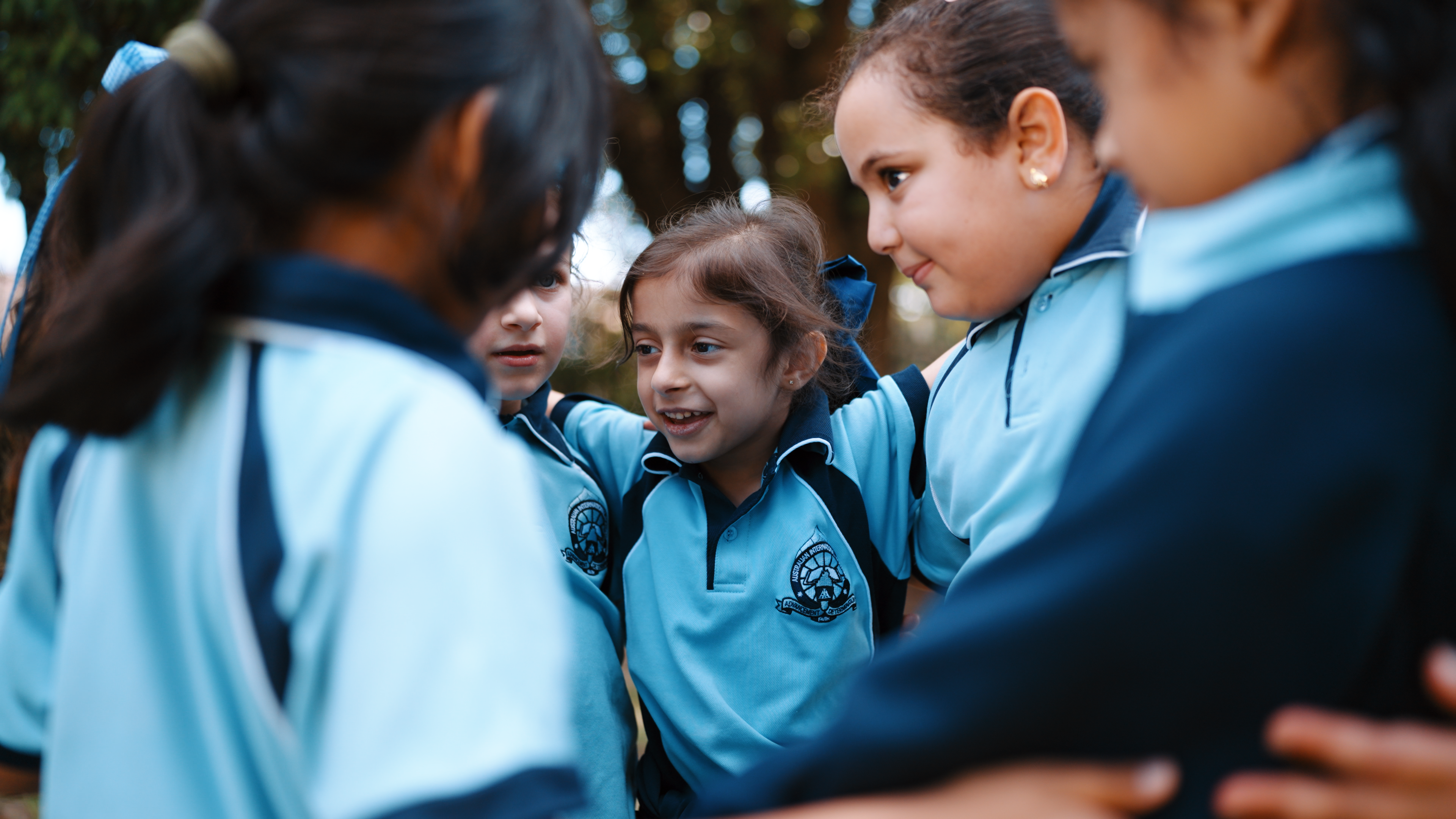
For AIA, it means encouraging students to understand that the world is made up of different perspectives, experiences and ways of thinking.

Through components such as Theory of Knowledge and Creativity, Activity, Service (CAS), students are encouraged to look beyond themselves, consider different perspectives and engage with their communities.

It is an approach that connects academic learning with the wider world.

And perhaps that is why the IB resonates so strongly with AIA's vision.

The programme asks students to think deeply.

AIA asks them to think deeply with purpose.


A Global Outlook, Grounded in Values

For Karim, the international nature of the programme is one of its biggest attractions. He sees the IBDP as opening doors to future university opportunities both in Australia and internationally.


But his experience also highlights something more personal.

He did not choose the IBDP simply because it could take him somewhere.

He chose it because it could help him become someone.

Someone more capable. More resilient. More confident. Better prepared for the demands of life beyond school.


That is the bigger picture behind AIA's IBDP journey across Kellyville and Strathfield.

It is about providing students with an internationally recognised education, while keeping them connected to the values, community and sense of purpose that sit at the heart of the school.


As Karim puts it, the IBDP has been a “treasure box”.

And perhaps the most valuable things inside it are not the marks students leave school with, but the skills, confidence and curiosity they take with them.


The goal of an education is not simply to prepare students for the next two years. It is to prepare them for everything that comes after.


No Comments Yet

Let us know what you think